Technical Guides
In-depth guides on building production AI infrastructure.
Practical engineering content on LangGraph, Temporal, data platform architecture, agent observability, and shipping reliable AI systems.
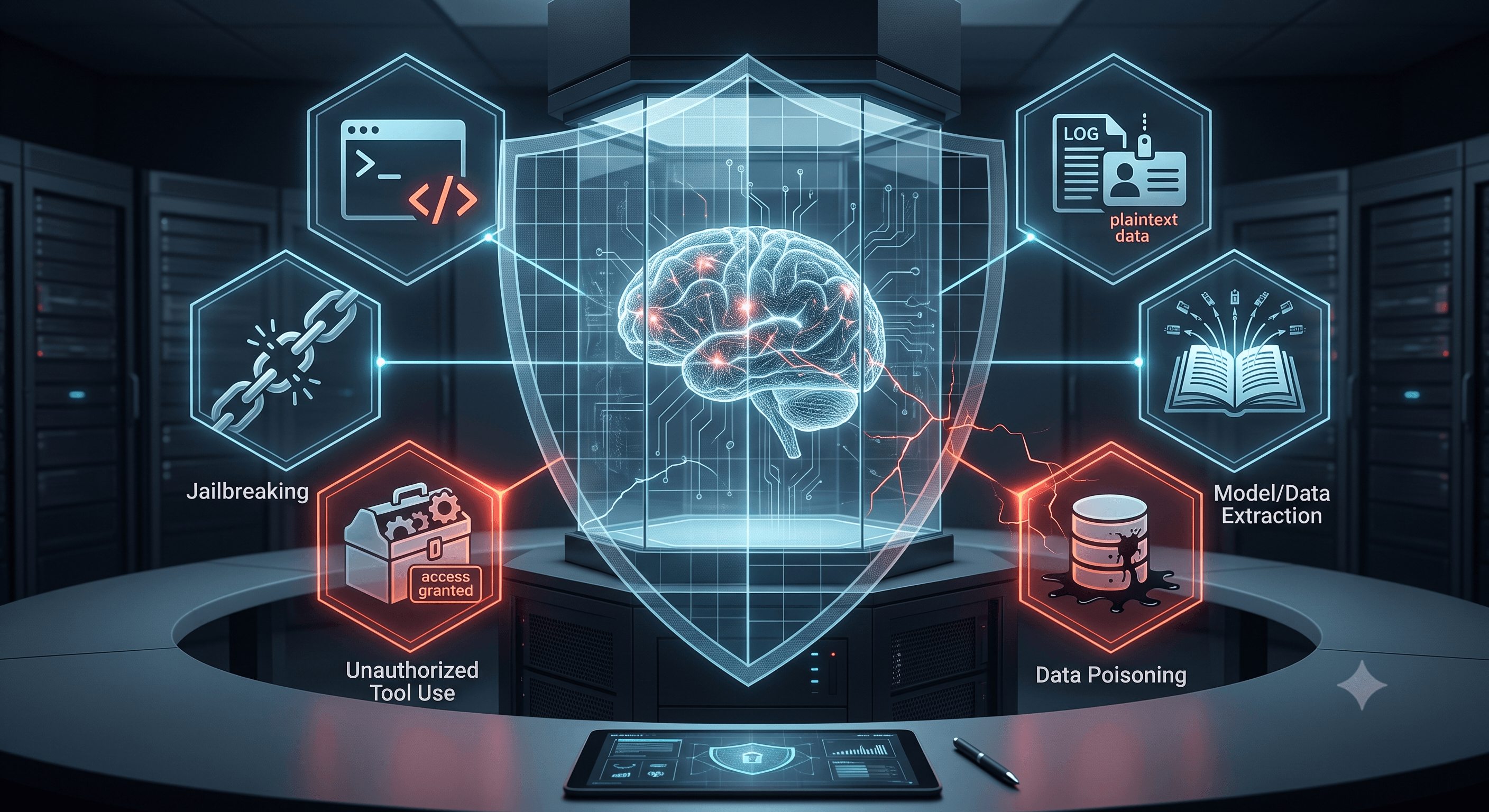
AI Agent Red-Teaming: The Six Surfaces, and the Two OWASP Doesn't Cleanly Cover
Red-teaming an agent is six distinct tests, not one, because an agent's tools and persistent memory turn a prompt-level exploit into a real action. Here are the six surfaces, the concrete probe for each, and how they map to the 2025 OWASP LLM Top 10 and NIST AI RMF, including the two that don't map cleanly.

AI Agents in Banking and Insurance: The Highest Adoption Rate, and the Highest Audit Stakes
Banking and insurance convert AI agent pilots to production at 58%, nearly five times the cross-industry rate. The same workflows and governance maturity behind that lead also put every deployed agent in the most demanding audit environment in enterprise software.
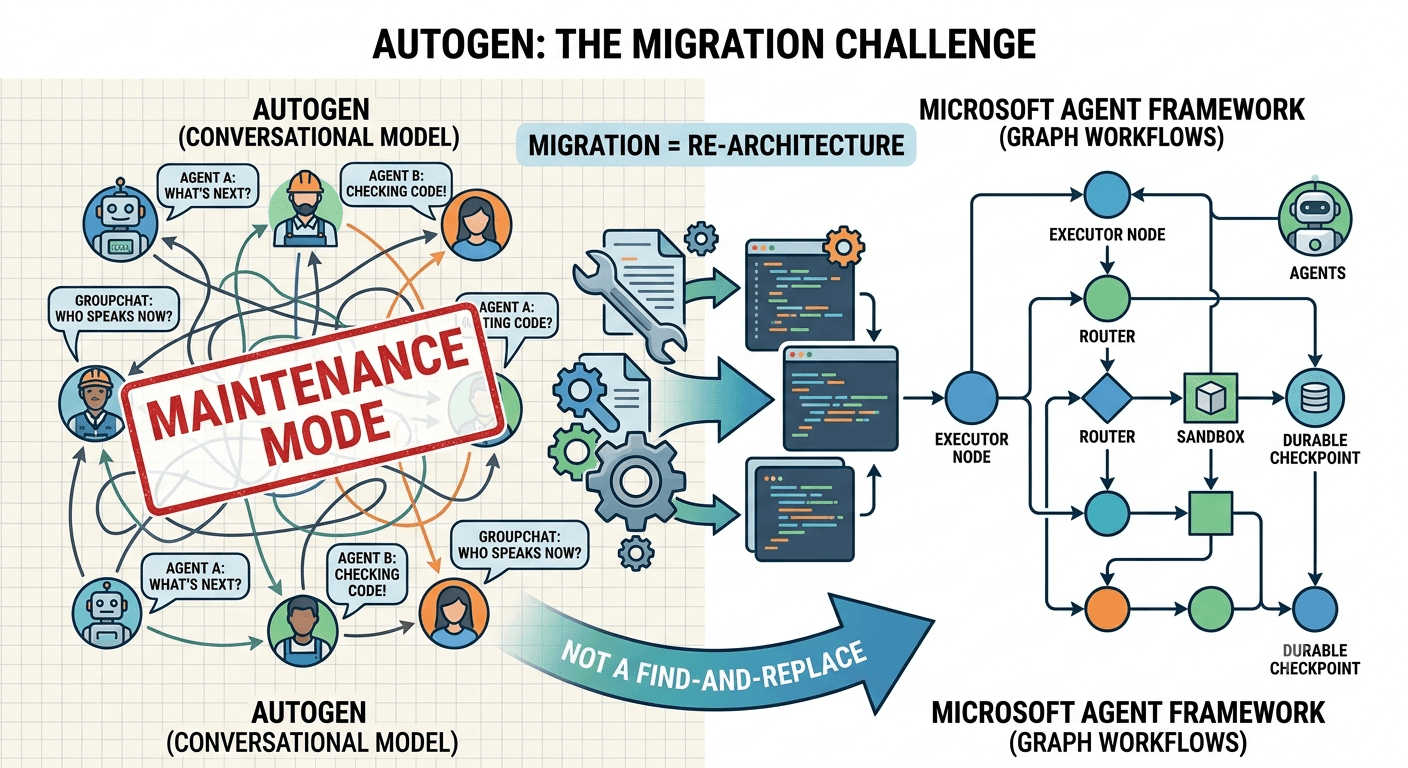
AutoGen Is in Maintenance Mode: What to Do If You Built on It
Microsoft put AutoGen in maintenance mode when Agent Framework hit 1.0 in April 2026. The real problem isn't that your system stops working. It's that the successor replaced AutoGen's conversational multi-agent model with graph-based workflows, so migrating off it is a re-architecture, not a find-and-replace.
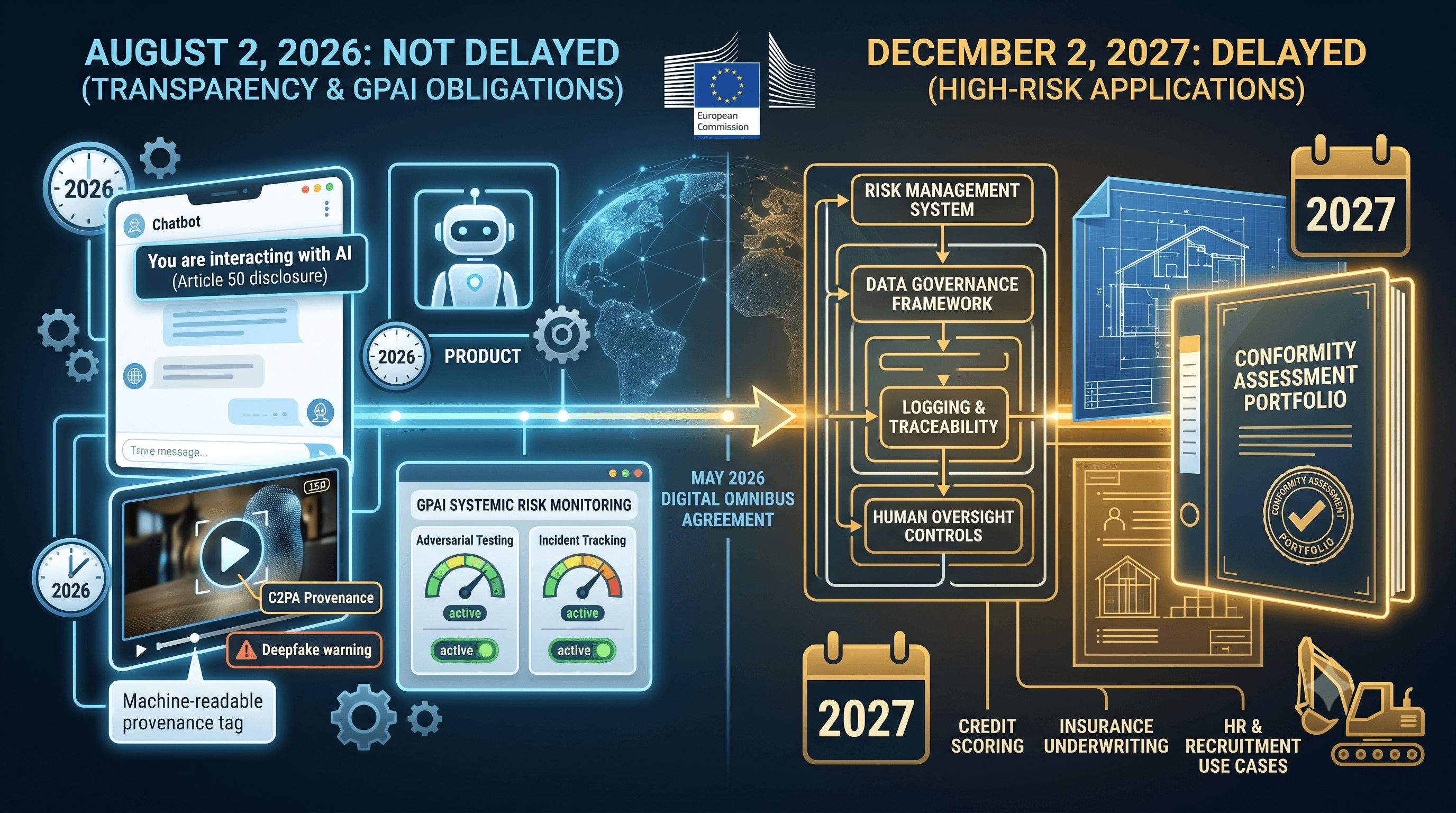
EU AI Act 2026: What the May Omnibus Actually Delayed, and What Didn't
The May 2026 Digital Omnibus pushed the EU AI Act's high-risk obligations for credit scoring, insurance, and HR out to December 2027. It did not move the Article 50 transparency duties or the GPAI systemic-risk rules, both of which still land on August 2, 2026. Here is the precise split.
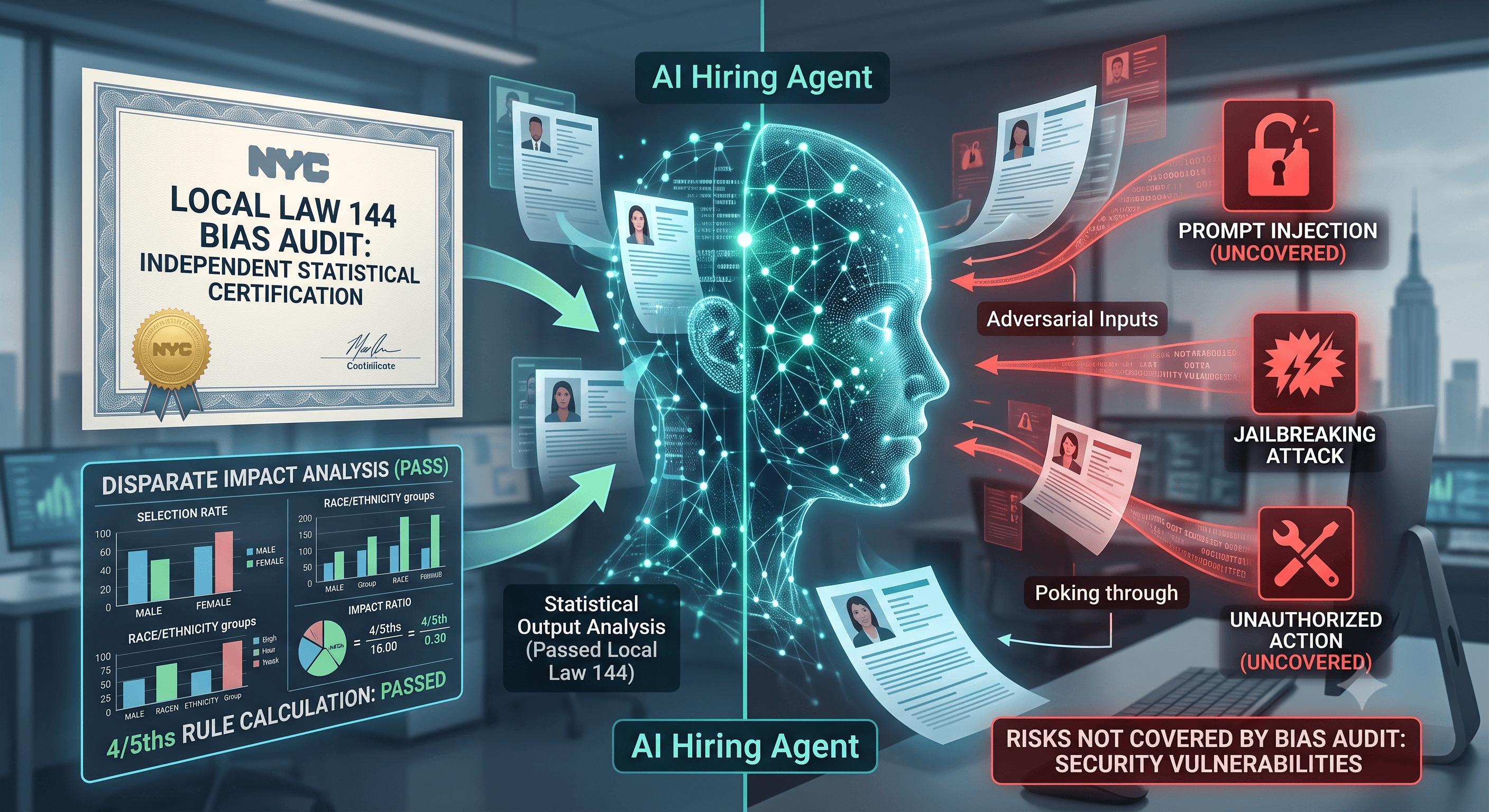
NYC Local Law 144 Bias Audits: What They Cover for AI Hiring Agents, and What They Don't
NYC Local Law 144 requires an independent statistical bias audit before you use an AI hiring tool, and 2026 enforcement is tightening after a December 2025 Comptroller report. That audit measures disparate impact across protected groups. It says nothing about whether your hiring agent can be prompt-injected or coerced into an unauthorized action, which is a separate audit entirely.

The ReAct Loop Is a Prototype. This Is What Production Looks Like.
While-loop agents have no concept of phase, legal next move, or turn budget, which produces the loop spiral: forty turns in, coherence drops and tokens burn on a question the first fifteen turns already answered. A 12-phase machine with per-phase turn budgets, structural tool allowlists, and budget-pressure instructions fixes this in a production analytics agent.
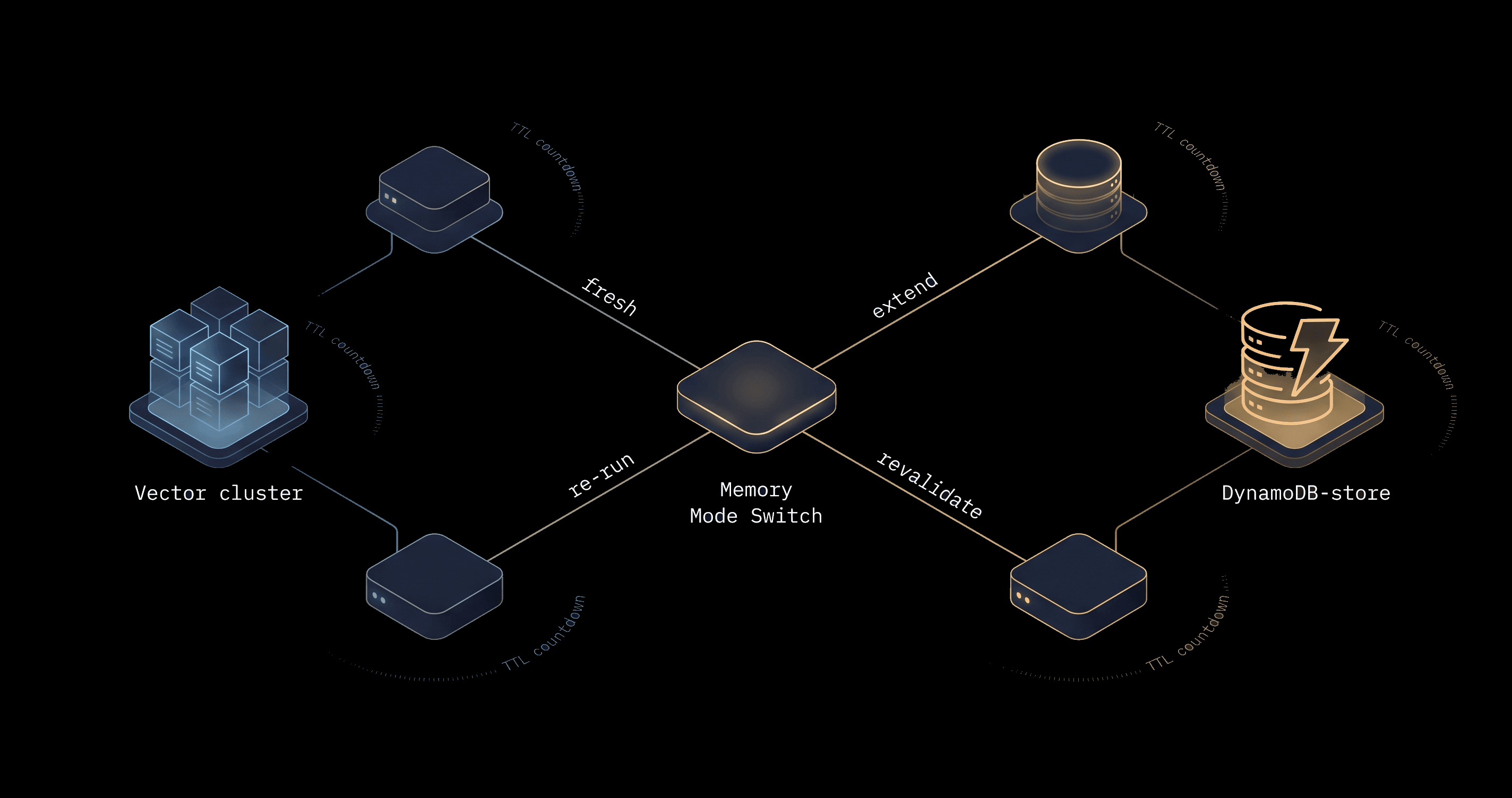
Your Agent Doesn't Need a Better Vector DB. It Needs a Memory Architecture.
Vector databases solve retrieval, not the harder problem: what your agent does once it has prior context. Here's the four-type memory architecture, dual-backend storage, and mode switch that closes that gap.